


How Dry Cleaning Works: A Complete Guide for First-Timers
Most people have dropped off clothes at a dry cleaner without giving much thought to what actually happens to them after they walk out the door. The bag comes back. The clothes look great. That's usually where the curiosity ends.
But if you're using dry cleaning for the first time, or if you've always wondered what happens behind that counter, the process is worth understanding. Knowing how it works helps you prepare your clothes correctly, communicate more effectively with your cleaner, and achieve consistently better results with every visit.
Here's the full picture, from the science behind why it works to exactly what happens at each step of the process.
What Dry Cleaning Actually Is (And Why It Works)
The name is a little misleading. Dry cleaning isn't completely dry. What it doesn't use is water, and that distinction is the entire reason it exists.
Most fabric damage from home washing comes from three things: water absorption causing fibers to swell and shrink, heat from the dryer accelerating that contraction, and mechanical agitation from the drum stressing fibers that are already compromised. Dry cleaning addresses all three.
Instead of water, professional dry cleaning uses chemical solvents specifically designed to dissolve oils, dirt, and residue without ever saturating the fabric. Because the fibers never absorb liquid, they never swell. Because there's no swelling, there's no contraction. The result is a garment that comes back the same size, shape, and structure it went in.
This is why the care labels on wool suits, silk blouses, structured dresses, and cashmere sweaters say "dry clean only". It's not arbitrary caution. Those fabrics have physical properties that make water-based washing genuinely damaging, and dry cleaning is engineered around that reality.
How the Dry Cleaning Process Works, Step by Step
01 | Inspection and Tagging
Every garment is examined the moment it comes in. Technicians check for stains, existing damage, fabric type, and construction details before anything else happens. Each item gets tagged individually, so it stays tracked and organized throughout the entire process. Nothing gets cleaned without being looked at first.
02 | Pretreatment
Stains don't all respond to the same treatment, so they're handled before the main cleaning cycle begins. Oil-based stains from grease, makeup, or salad dressing need different solvents than water-based stains from sweat, coffee, or wine.
Treating them separately before cleaning gives the technician precise control that a single cleaning cycle can't replicate. This is also why telling your cleaner what caused a stain matters. "There's a stain on the sleeve" is helpful. "It's red wine from Saturday" is much more useful.
03 | The Cleaning Cycle
Garments go into a specialized machine that circulates solvent through the fabric to remove dirt and residue. The movement is gentle by design, and far less aggressive than the drum cycle in a home washing machine. Temperature is carefully controlled. The solvent is filtered and recirculated throughout the cycle, which maintains its cleaning effectiveness and prevents cross-contamination between garments.
This stage is where the core work happens. By the time garments come out of the cleaning cycle, the vast majority of dirt, oils, and odors have been removed without any of the structural stress that water-based washing creates.
04 | Post-Cleaning Inspection
The garment gets checked again after cleaning. Any stains that need additional treatment get addressed at this stage before finishing begins. This second inspection is what separates a thorough dry cleaning process from a rushed treatment. It's the step most people don't know happens, and it's the reason stubborn stains often come out fully rather than just partially.
05 | Finishing
Finishing is what makes dry cleaned clothes look the way they do when you pick them up. Garments are pressed and steamed using professional equipment that applies heat and moisture in controlled amounts to relax fibers and restore shape. Structured areas such as shoulders, lapels, collars, and waistlines are shaped by hand in specialized forms. The result isn't just clean fabric. It's fabric that has been actively restored to its intended shape and drape.
06 | Packaging and Pickup
Finished garments are covered and organized for pickup. One thing worth doing when you get home: remove the plastic covering and hang the garment in the open air for a short period. The plastic is for transport, not storage. Leaving clothes in sealed plastic traps any residual moisture and can cause musty odors over time.
How to Prepare Your Clothes Before Drop-Off
Getting the most out of dry cleaning starts before you arrive. None of this is complicated, but these steps make a real difference in the results you get back.
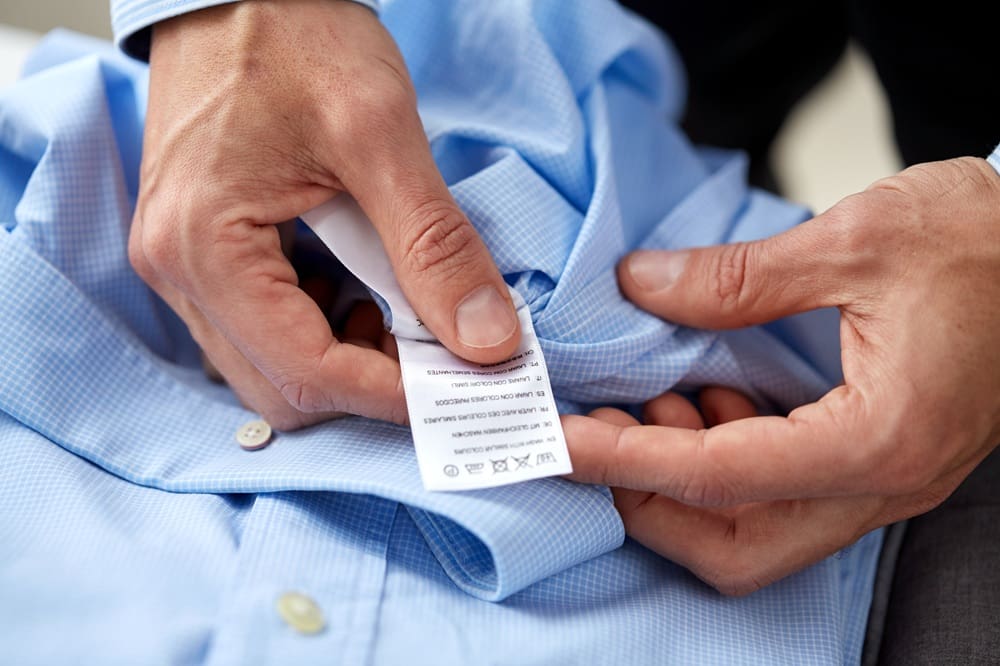
- Check the care label first. "Dry Clean Only" means the fabric shouldn't come into contact with water. "Dry Clean Recommended" means it's the safest option, even if it isn't the only one. If a label says "Do Not Dry Clean," tell your cleaner so they can use an appropriate alternative method.
- Inspect for stains before you go. You'll be far closer to your own clothes than your cleaner, seeing them for the first time. Note anything that looks off, especially light-colored or translucent stains from champagne, white wine, or sugary drinks, which can oxidize and turn yellow if left untreated. The more specific you are about what caused a stain, the better the pretreatment can be targeted.
- Don't treat stains yourself before taking them in. It's a natural instinct to dab at a stain with water or reach for a stain remover, but many home treatments actually set stains deeper into the fabric or chemically alter them in ways that make professional removal harder. Leave it for the cleaner.
- Empty every pocket completely. Receipts, tissues, and paper scraps break apart during cleaning and can leave residue on other garments. Keys and sharp objects can snag or damage fabric. Check jacket pockets, pants pockets, and any interior chest pockets before drop-off.
- Keep matching pieces together. If a jacket and trousers are part of a set, take them in together and keep them together at drop-off. Cleaning them separately can result in slight variations in color or finish that become noticeable when the pieces are worn together.
- Mention any repairs needed. Many dry cleaners, including Porter Ranch Cleaners, handle minor alterations and repairs alongside cleaning. Loose buttons, frayed hems, and minor seam repairs are worth flagging at drop-off so everything can be addressed in a single visit.
What to Tell Your Cleaner Before They Start
The quality of your dry cleaning results depends partly on the information you hand over at drop-off. A good cleaner will ask questions, but knowing what to volunteer helps the process go smoothly.
- Tell them what caused each stain and approximately when it happened. Older stains that have had time to oxidize need different treatment than fresh spots.
- Tell them about any delicate embellishments, such as beading, embroidery, or lining materials, that require special attention.
- If you have a pressing preference, such as sharp creases in trousers or a softer finish on a blouse, mention it.
- And if you're working with a timeline, ask up front whether rush service is available rather than assuming a standard turnaround fits your schedule.
The cleaner's job is to protect your garment. Your job is to give them the information they need to do it well.
Porter Ranch Cleaners Has Been Taking Care of This Neighborhood – Let Us Take Care of Your Clothes
Understanding how dry cleaning works is the first step. The second is finding a cleaner you can actually trust with the clothes that matter to you.
At Porter Ranch Cleaners, we use advanced, 100% PERC-free solvents that are safer for your garments, your family, and the environment. Every item is inspected before and after cleaning, finished by hand, and returned to you looking the way it should. We offer FREE Pickup and Delivery Service, so the entire process fits around your schedule without adding another errand to your week.
Scheduling Pickup: https://theporterranchcleaners.com/contact/#dropdown
Phone: (747) 255-6029